BSc (Hons) Counselling – Humanistic Integrative, and Person-Centred pathways

The BSc (Hons) Counselling is a BACP-accredited degree offering a solid grounding in counselling theory and practice. It provides a shared first year of study before students specialise in either the Person-Centred or Humanistic Integrative pathway from Year Two onward.
Applications Closed

Key Information

Field of Study

Duration

Start Dates

Teaching Institution

Awarding Institution

Accrediting Professional Body

Location

The BSc (Hons) Counselling is a BACP-accredited degree offering a solid grounding in counselling theory and practice. It provides a shared first year of study before students specialise in either the Person-Centred or Humanistic Integrative pathway from Year Two onward.

Both routes combine academic learning with personal development and supervised clinical practice, preparing graduates to become reflective, ethical, and effective practitioners across a wide range of counselling and therapeutic contexts.

During the first year, all students study the foundations of counselling, developing core skills, exploring humanistic principles, and beginning to identify their preferred modality. From Year Two, students choose to follow one of two specialist routes:

  • BSc (Hons) Counselling (Person-Centred) – rooted in Carl Rogers’ humanistic philosophy and the six necessary and sufficient conditions for psychological growth. This pathway cultivates authenticity, empathy, and unconditional positive regard as the foundations of therapeutic practice, encouraging reflective, culturally responsive, and ethically aware counsellors.
  • BSc (Hons) Counselling (Humanistic Integrative) – grounded in a relational, experiential, and integrative approach, drawing together theories and methods from across humanistic traditions. This pathway encourages flexibility, self-awareness, and an appreciation of the therapeutic relationship as central to change.

Both pathways balance theory, personal process, and supervised clinical work, fostering professional competence and personal insight.

Course Philosophy

The degree is underpinned by humanistic values that emphasise relational depth, authenticity, and the belief in every individual’s capacity for growth and change. Students are supported to develop as reflective practitioners, able to integrate theoretical knowledge, ethical understanding, and self-awareness into their counselling practice.

National Student Survey (NSS) results speak for themselves:

In 2026: 100% of students said their course had developed the knowledge and skills they needed for the future; 100% said their course had helped them understand themselves more deeply; and 92% said it had helped them grow as a person.

In 2025: 90% of students said our teaching is engaging, and 94% found the course to be intellectually stimulating – a learning experience that truly challenges, inspires, and brings the subject to life.

Course Modules

  • Year 1: Introduction to Counselling and Counselling Skills; Exploring Theoretical Models; Choosing Your Modality
  • Year 2: Developing Knowledge and Application within the Chosen Pathway; Applied Practice and Supervision
    • Person-Centred pathway: Self, Relationship, Clinical Practice, and Reflexive Research within the context of inclusivity and ethics

    • Humanistic Integrative pathway: Theories of Integration; Relational and Experiential Practice

  • Year 3: Advanced Clinical Practice; Professional Development and Qualification; Research and Reflective Practice

Supporting Information

Teaching and learning

Teaching is delivered through weekend workshops and weekday sessions, supported by blended online learning. Methods include experiential workshops, skills labs, theory seminars, group process, case discussions, and supervised practice. Students on the Person-Centred pathway typically attend weekend sessions (PCC Weekends), while those on the Humanistic Integrative pathway attend weekday sessions (HUM Tuesdays). However, Year 1 students can choose whether they would prefer to study at weekends or on Tuesdays.

Programme delivery

The BSc (Hons) Counselling is studied full-time over three years.

  • Mode: In-person study with blended learning components
  • Structure: Between 8 and 10 three-day weekends in Year 1 (Friday–Sunday) OR every Tuesday in Year 1; In Years 2 and 3 weekday or weekend study, depending on chosen pathway
  • Intake: September each year

Assessment

Assessment methods include essays, reflective journals, presentations, case studies, skills assessments, creative exercises, supervision reports, and final reflective and research portfolios.

Clinical Placement

Students complete a minimum of 150 hours of supervised clinical practice in approved counselling settings, supported by supervision logs, reflective reports, and clinical seminars.

Recognition of Prior Learning (RPL) – Join Year 2 of Our BSc Programmes

Metanoia Institute is pleased to confirm that, following agreement with the British Association for Counselling and Psychotherapy (BACP), eligible students can now apply for Recognition of Prior Learning (RPL) entry into Year 2 of our BSc (Hons) Counselling programme’s Humanistic Integrative pathway. RPL entry to the BSc (Hons) Counselling programme’s Person-Centred pathway is pending final approval.

Who is this for?

This opportunity is designed for students who have already completed substantial counselling training elsewhere and are seeking to progress their qualification within a respected, professionally recognised training environment.

What is Recognition of Prior Learning?

Recognition of Prior Learning (RPL) allows previous certificated learning and relevant experience to be formally assessed and recognised against the requirements of the programme. Successful applicants may be offered advanced standing and direct entry into Year 2.

Applications for RPL entry are assessed on an individual basis. Applicants will need to provide evidence of previous study and relevant experience as part of the admissions process.

To find out more about eligibility and the application process, please contact our Admissions team.

📧 admissions@metanoia.ac.uk

Programme Specification

Alumni Path

Graduates are well equipped to enter professional counselling practice or therapeutic support roles and may progress to further training and accreditation with the BACP or other professional bodies.

Key Contacts

Anna Pester

Head of Programme, BSc (Hons) Counselling, Humanistic Integrative Pathway

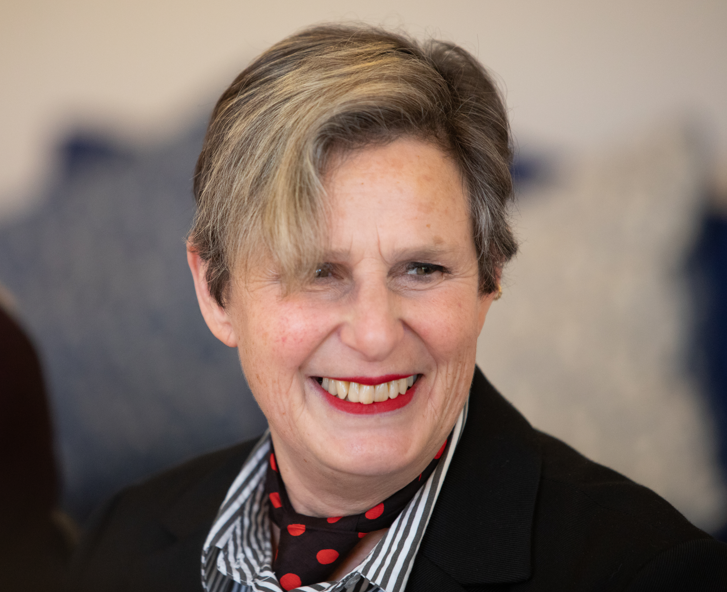
Anna Pester is Head of Programme for the Humanistic Integrative Pathway of BSc (Hons) Counselling. Anna is an experienced BACP-accredited humanistic integrative counsellor. Anna is currently the Lead Counsellor at Greater Brighton Metropolitan College. Anna has extensive experience working for the NHS as a specialist counsellor in sexual health and in further education, as well as coordinating and teaching a BACP-accredited Diploma in Counselling course in Sussex. She is also trained in psychodynamic therapy, CBT and group analysis. Anna qualified in teaching at Brighton University with a particular interest in reflective practice. She also has a special interest in working with young people and in gender and sexual diversity. Anna is an enthusiastic lecturer passionate about facilitating experiential learning through individual and group work.

Course Dates

For full teaching dates for this programme, please see our Foundation & Undergraduate Course Dates page

Please note that teaching dates may be subject to change

Entry Requirements

At least one Level 3 qualification such as an A Level, AS Level, Advanced Apprenticeship, International Baccalaureate Diploma, Level 3 NVQ, T Level, or Level 3 National Certificate or Diploma

English Language Requirements: ELTS score 6.0

Fees and Funding

Initial Fees


Annual Course Fees for 2026/27

  • Year 1: £9,350
  • Year 2: £9,350
  • Year 3: £9,350

Annual Course Fees for 2027/28

  • Year 1: £9,350
  • Year 2: £9,350
  • Year 3: £9,350

The 2027/28 fees apply to courses starting from September 2027.

How to Apply

Click an apply button below to start the application process.

Applications Closed

Student Data

Accrediting Professional Bodies