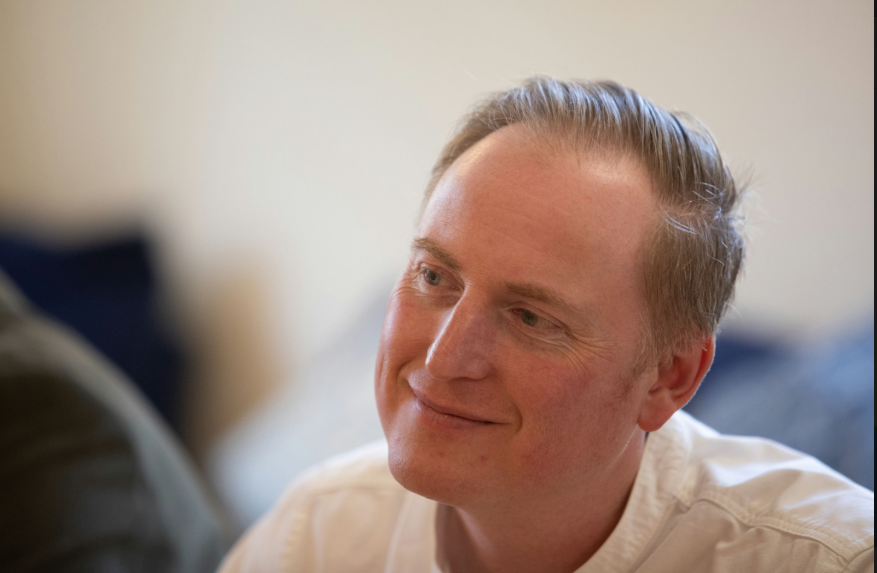
Associate Director of Post Graduate Taught Programmes and Access and Participation Lead
Dr John Hills, MA, PhD, MBACP (Accred), SFHEA is a British Association for Counselling and Psychotherapy (BACP) accredited psychotherapist, a member of the national Pluralistic Practice steering group and a Senior Fellow of the Higher Education Academy. John trained in integrative Counselling and Psychotherapy at the University of Leeds where he took his PhD, and went on to become a senior lecturer, course leader and course director at Leeds Beckett University. John's PhD centred upon the meaning and patterns of therapeutic change as modelled between therapist and client.
John has been in practice since 2011 and has worked in a variety of settings including prison counselling, cancer and hospice care, and student counselling. John practises privately from West Yorkshire. As a practitioner he has a particular interest in pluralistic, systemic, and existential approaches to counselling and psychotherapy. As a researcher he is particularly interested in change in psychotherapy, systemic reframing of psychotherapy change principles, and the social contexts in which psychotherapy takes place, including the social determinants of mental health.
John is also a practitioner-researcher of psychological therapies. In addition to training work, John has four PhD students and has organised several research conferences, including serving as local host for the Society for Psychotherapy Research's UK conference in 2022. John’s membership of the Society for Psychotherapy Research, saw him contribute the SPR’s response to the NICE Guideline on Treatment for Depression which was published in 2022 following changes recommended by the SPR as part of a coalition of organisations including the BACP, UKCP, BPS, Mind and the Royal College of Psychiatrists, expressing scientific concerns about the creation of the guideline.
Before joining the Metanoia Institute, John facilitated the launch of an Integrative Counselling professional training program at Leeds Beckett University and an equivalent course delivered at a partner college in Singapore, including facilitation of teaching and student exchanges. John is an advocate for the role of higher education in advancing social mobility, in particular in pathways for students from non-traditional backgrounds, and at Leeds Beckett took a lead role in the creation and maintenance of scholarships for both clinical training and PhD study.
John is now Metanoia’s Institute’s lead for Access and Participation. As defined by the Office for Students (OfS) Access and Participation Plans set out how Higher Education providers will improve equality of opportunity for students from disadvantaged backgrounds to access, succeed in, and progress from Higher Education.