
About Us
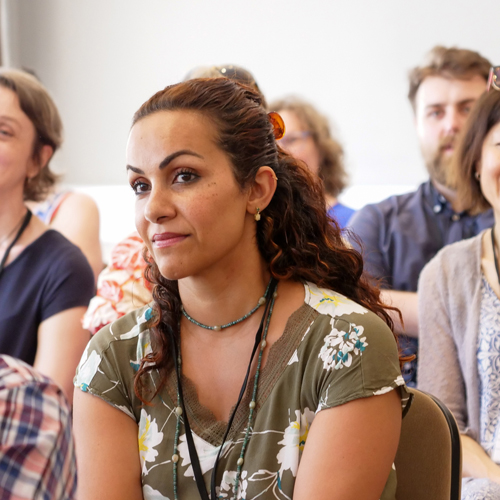
We were founded in the early 1980s and were among the first organisations in the UK to offer humanistically oriented, professional training programmes.
At Metanoia Institute, all our approaches, offer a broad basis from which to develop a personal style. We emphasise the importance of developing a sound therapeutic relationship that can support and challenge the client according to the context.
Our Approach to Psychological Therapies
Psychotherapy outcome research and the experience of practitioners in the field, suggest that no single psychotherapy or counselling approach is significantly more effective than any other approach, and all have something to offer the clinician. It is the nature of the problem, the personality of the client and the setting of the therapy, that call for a particular approach.
Increasingly clinicians are required to be flexible and responsive to the specific requirements, of the context in which they work and to tailor the delivery of psychotherapy, to the needs of a particular client within the particular context. In particular, according to the research, it is the quality of the therapeutic relationship, that is key in determining the success of the therapy.
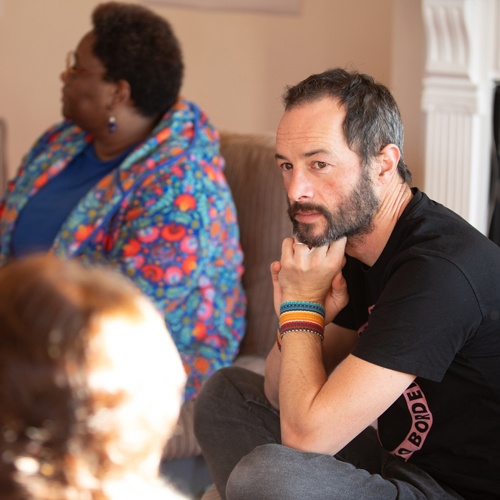
All our training programmes combine a focus on the therapeutic relationship, with a sound and coherent theoretical basis.
Flexible Training at Metanoia
Training is delivered in a flexible format to help you balance your studies with work, family and other commitments. Depending on the programme, teaching takes place one weekend per month, either on Saturday and Sunday or across Friday, Saturday and Sunday.
Some programmes also offer alternative study routes, including Monday evening classes or weekday training on Mondays or Tuesdays. Formal teaching is complemented by online seminars and other live, synchronous learning activities.
A typical training day runs from 9.30am to 5.30pm and is divided into four sessions, with breaks for refreshments and lunch. Tea and coffee are available throughout the day.
An important part of the learning experience is group process, which takes place during each in-person training session. Facilitated by a tutor, these sessions provide an opportunity to reflect on professional experiences, share challenges and achievements, and engage with the ongoing life of the learning community. Through this process, students develop greater self-awareness and strengthen the relational skills that are central to therapeutic practice.
The remaining sessions combine theory, experiential learning, skills development, student presentations and counselling or psychotherapy practice in both small and large groups.
Each training session concludes with a dedicated time for reflection, feedback and evaluation, allowing students and tutors to review learning and consolidate progress.
Many programmes also offer optional Saturday evening community meetings or seminars. These provide opportunities to connect informally with fellow students and staff, or to hear presentations from senior students and guest speakers on topics relevant to the profession. As many students travel significant distances to attend training weekends, these events are scheduled to maximise accessibility and participation, with no additional fee.
Hear from our students and staff
Student Testimonials
At Metanoia, we work hard to make our teaching more than just a learning experience. Our programmes are designed to be as engaging, intellectually stimulating and inspiring as possible.
If you’d like to get a sense of what it’s like to be a student at Metanoia, then take a look at some of our student testimonials.
BSc (Hons) Counselling at Metanoia Institute
We sat down with Kieran McCrystal to discuss his experience as both a student and member of staff at Metanoia.
Kieran is an experienced counsellor, psychotherapist, supervisor and educator who has also served as a Primary Tutor on Metanoia Institute’s Person-Centred and Humanistic counselling training programmes, supporting the development of the next generation of counsellors.